In my previous post, I shared a group of images I made with the WordPress AI image generator that showed a stick figure successfully escaping a physical threat. A tiger was chasing the stick figure, the stick figure hid behind a tree until the tiger was gone, and then the stick figure ran to safety. I shared those images first because I thought it was important to get a good idea in our heads of what fight/flight and freeze look like when they happen in response to a physical threat. I think it’s easier to understand what happening in our bodies when we feel surges of mobilizing or immobilizing neurochemicals in response to a physical threat that we might actually be able to fight or run from or hide from than it is to understand why an emotional threat triggers a state change to fight/flight and freeze. So I’m going to be writing about that over the next several posts. First, I will share with you the set of animated images I made with the WordPress AI image generator. Then in separate posts I will write about why emotional threats trigger a state-change.
This set of AI animated images is of a girl who is going through a day of school. Remember that what helped me understand better what the colors on the Polyvagal Chart mean was what Stephen Porges wrote in his article “The polyvagal theory: New insights into adaptive reactions of the autonomic nervous system” that “The human nervous system, similar to that of other mammals, evolved not solely to survive in safe environments but also to promote survival in dangerous and life-threatening contexts.” So this means the human nervous system developed different settings to help us survive in safe environments as well as dangerous and life-threatening environments. It helped me see that’s what your system is trying to do…it’s trying to survive…it’s saying, “my circumstances seem to change in these certain ways…so I will develop modes/defensive states for those specific environments.” We wouldn’t be able to stay in those settings all the times without having negative health effects, so it developed them as different modes we can shift into for limited times and then shift back to our normal settings. It also really helped when he said, “Functionally, visceral states color our perception of objects and others.” That helped me see that when you are in yellow, everything around you can start to register as dangerous…which only increases the stress…which increases activation. And that is how your nervous system can get stuck on the Squiggle of Trauma…where it can’t find safety…and can’t find resolution to the threat.
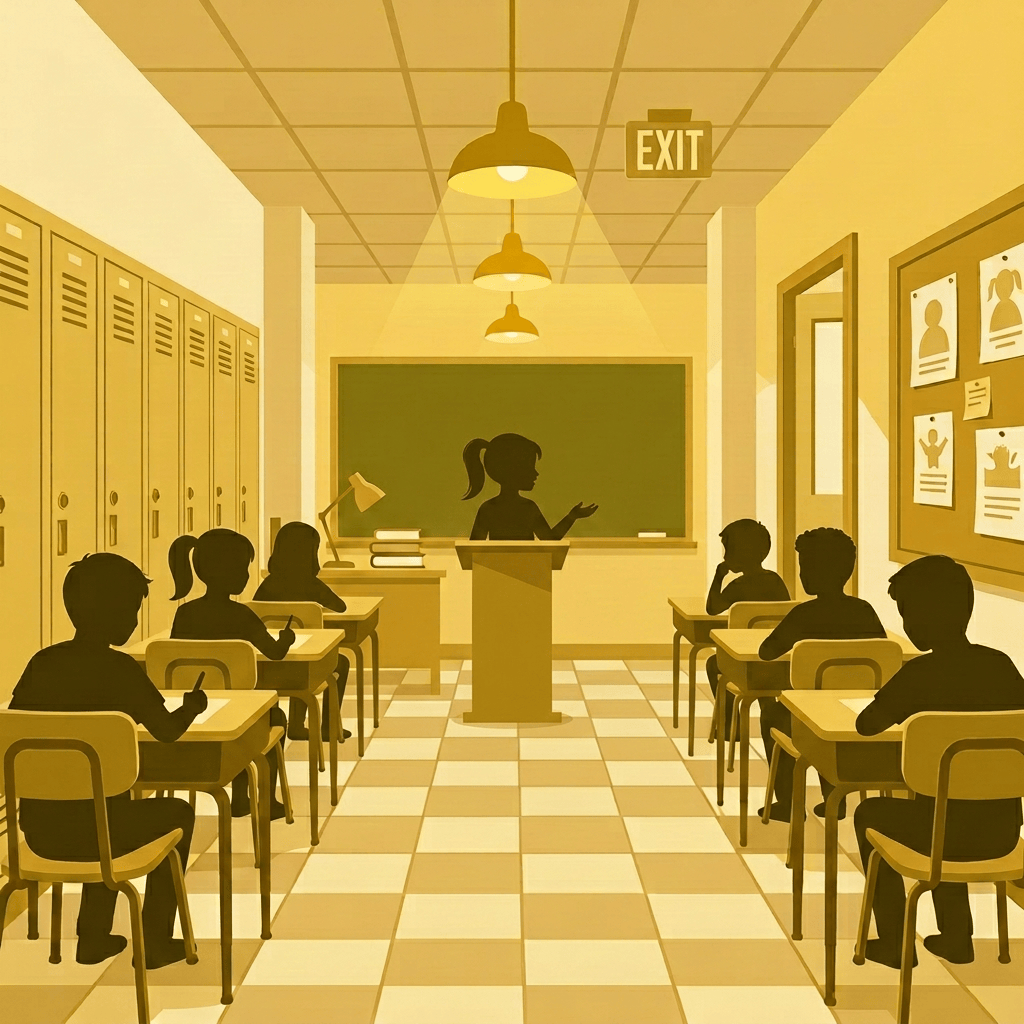
These animated images will help us see how it looks when this student’s nervous system is functioning properly and shifting easily between states. The colors of her environment reflect which physiological state she is in – Safety (Green), Danger (Yellow): Fight/Flight, and Life-threat (Red): Freeze. Here are the images:
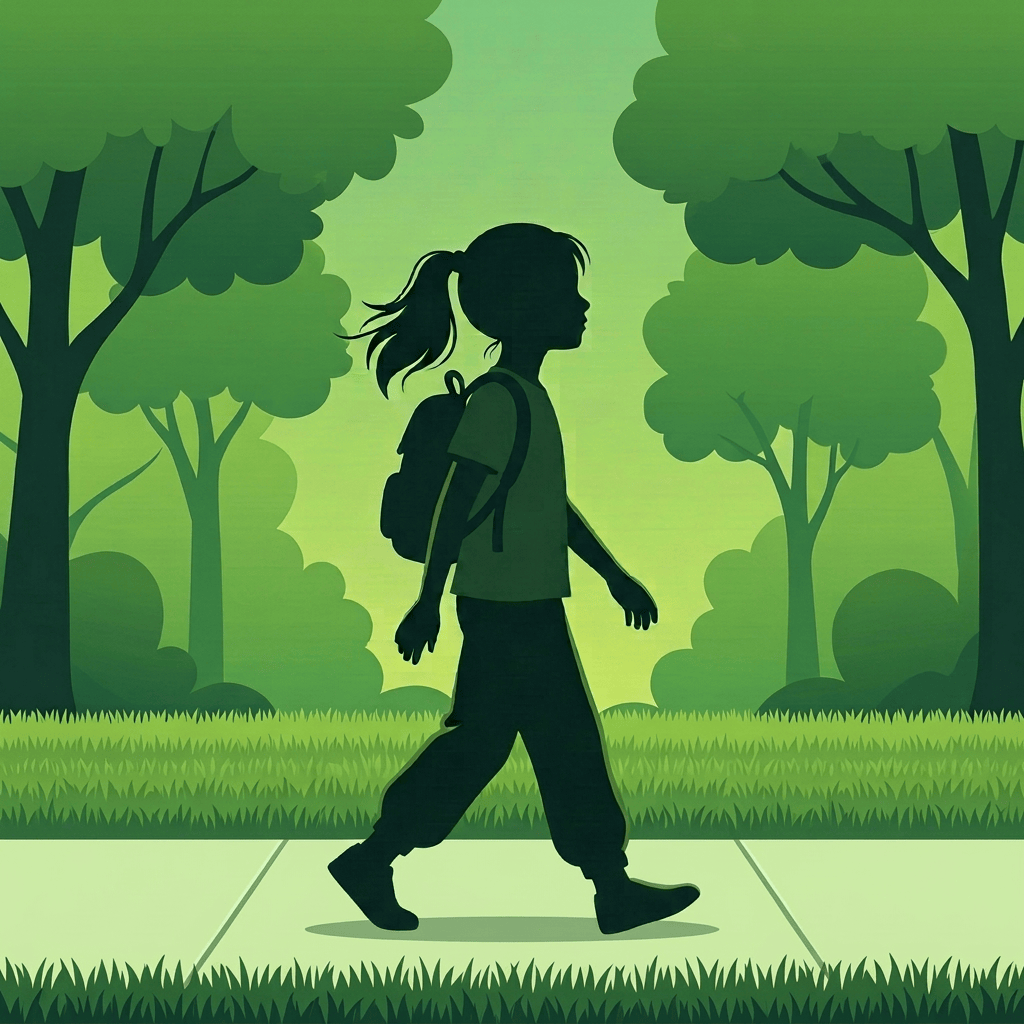
She starts the day by walking to school. She is feeling safe and balanced.
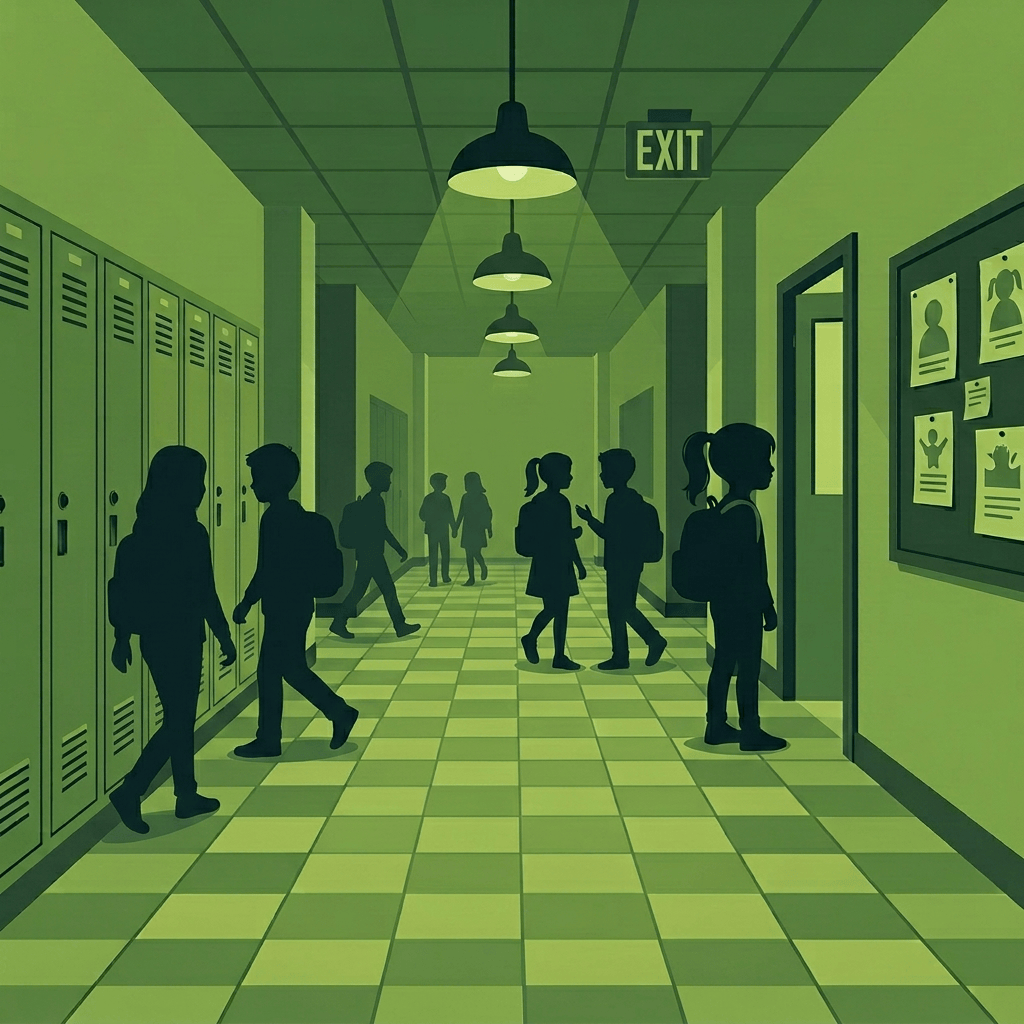
She is still feeling safe when she is walking into class.
She is supposed to give a speech in front of the class. Her nervous system perceives this as a threat, which causes her to shift states into Fight/Flight. But she is able to channel the energy effectively and uses the surge of adrenaline to enhance her focus and quicken her reflexes so that she can read the responses of her classmates and adapt quickly, which enables her to make an interesting and engaging speech that her classmates respond to positively.
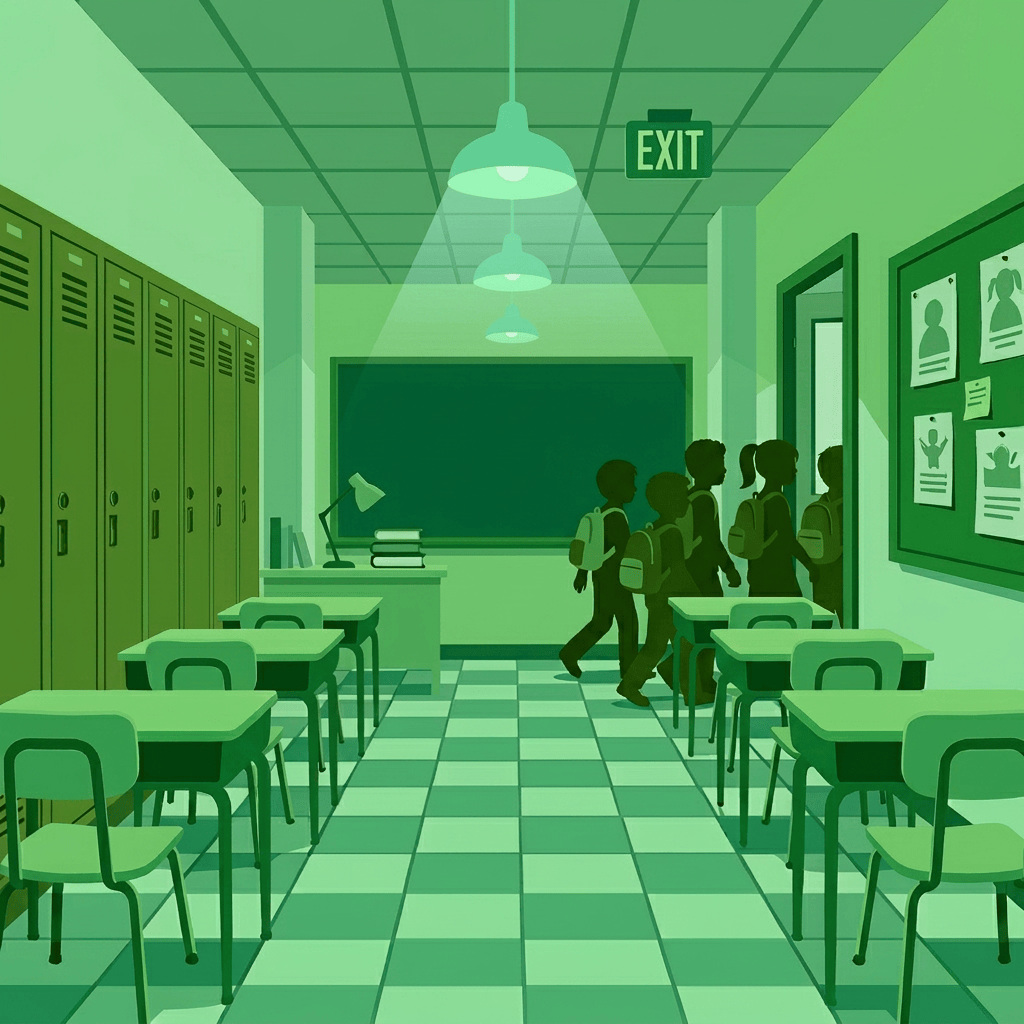
She is feeling safe again by the time class is over. She will try to walk off any remaining adrenaline in between classes. I noticed that the image generator put an Exit sign in the classroom. I thought about removing it but I thought it was interesting to have it there because sometimes it can help us to regulate our nervous systems if we remember that we will only be in the classroom for about an hour and that there is an exit if you need to step outside for a minute.
When she is sitting in the cafeteria at lunch, she hears loud voices that sound angry. She notices that a group of students is having an argument at a lunch table close to hers. She feels a surge of adrenaline and shifts states into Fight/Flight.
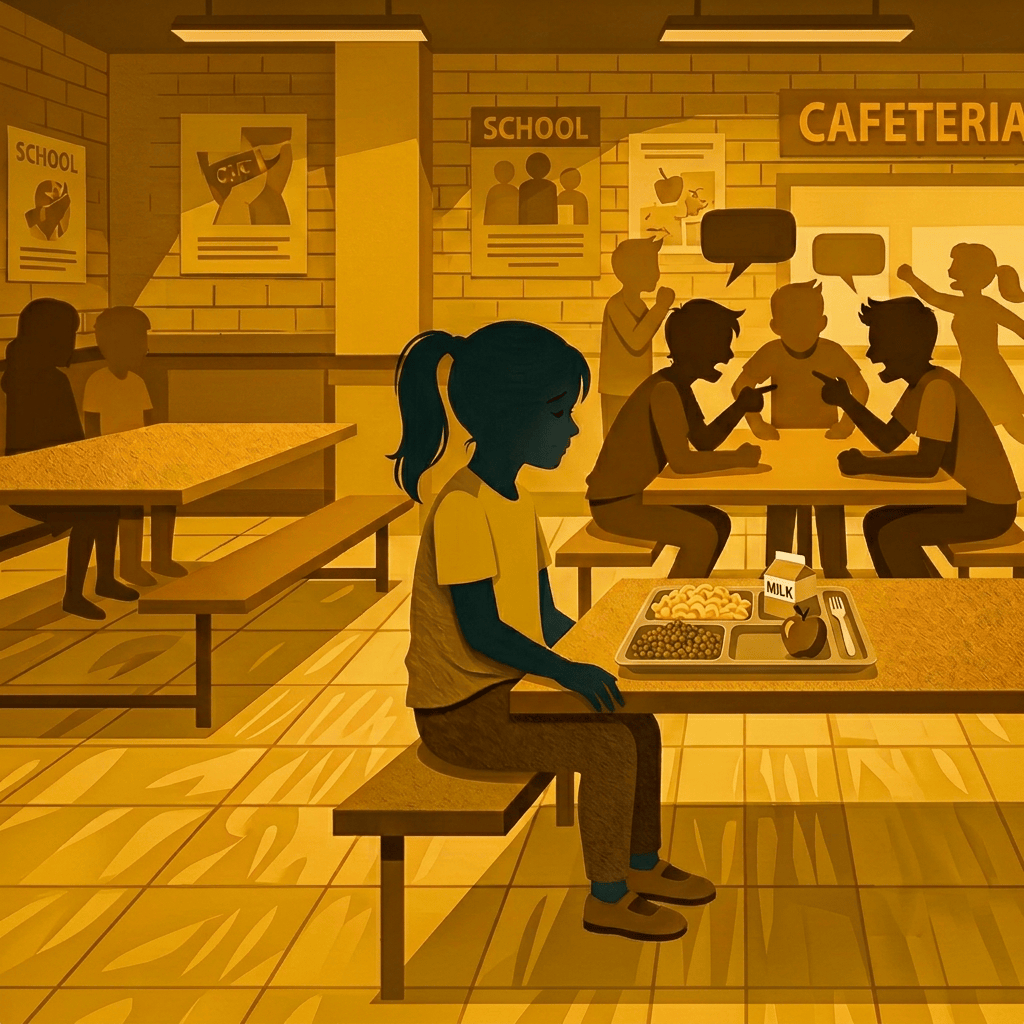
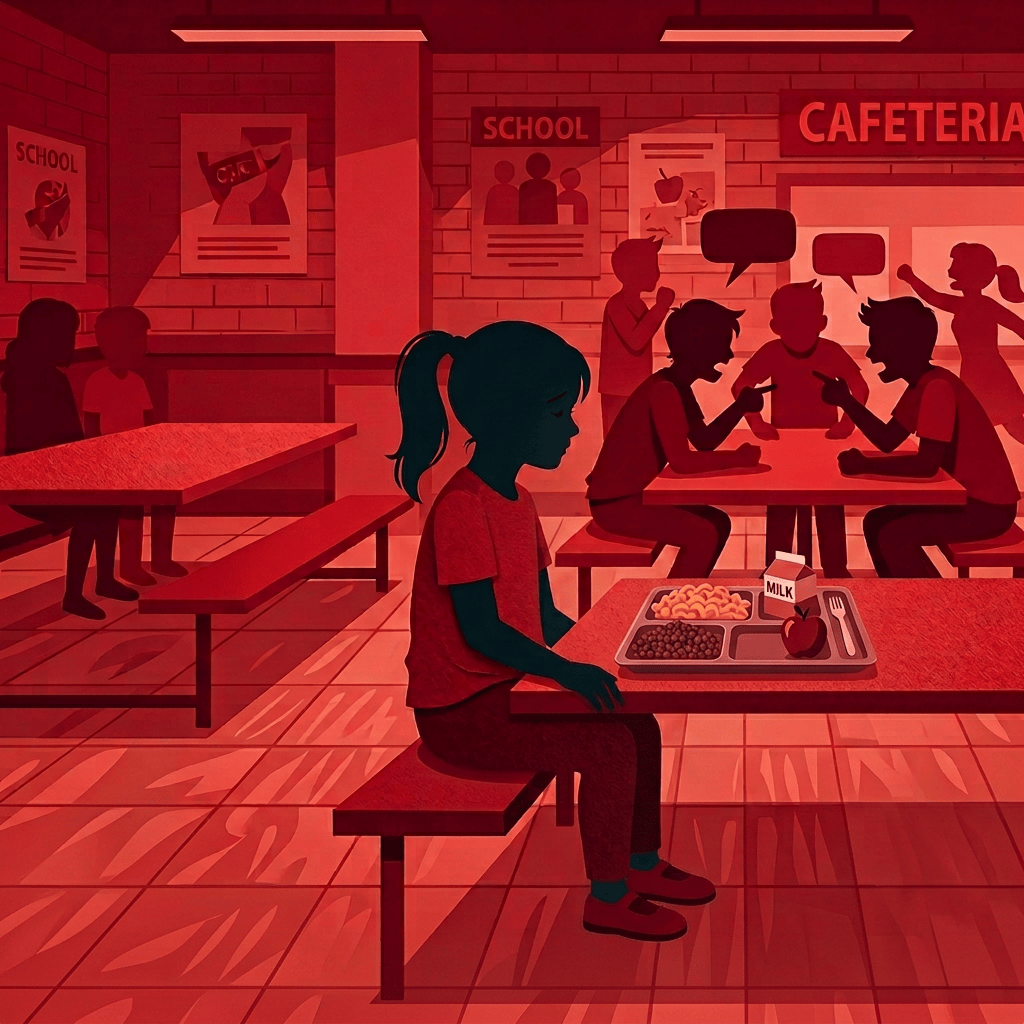
She realizes the fighting and fleeing are not options in this situation, so she shifts physiological states into Freeze. She is able to utilize the surge of immobilizing neuro-chemicals properly to help her remain still and not attract any attention to herself, which prevents her from being drawn into the fight. The numbing of her emotional distress helps her to not panic outwardly. While she looks still on the outside, her brain continues to scan the environment…waiting for signs that the fight is over.
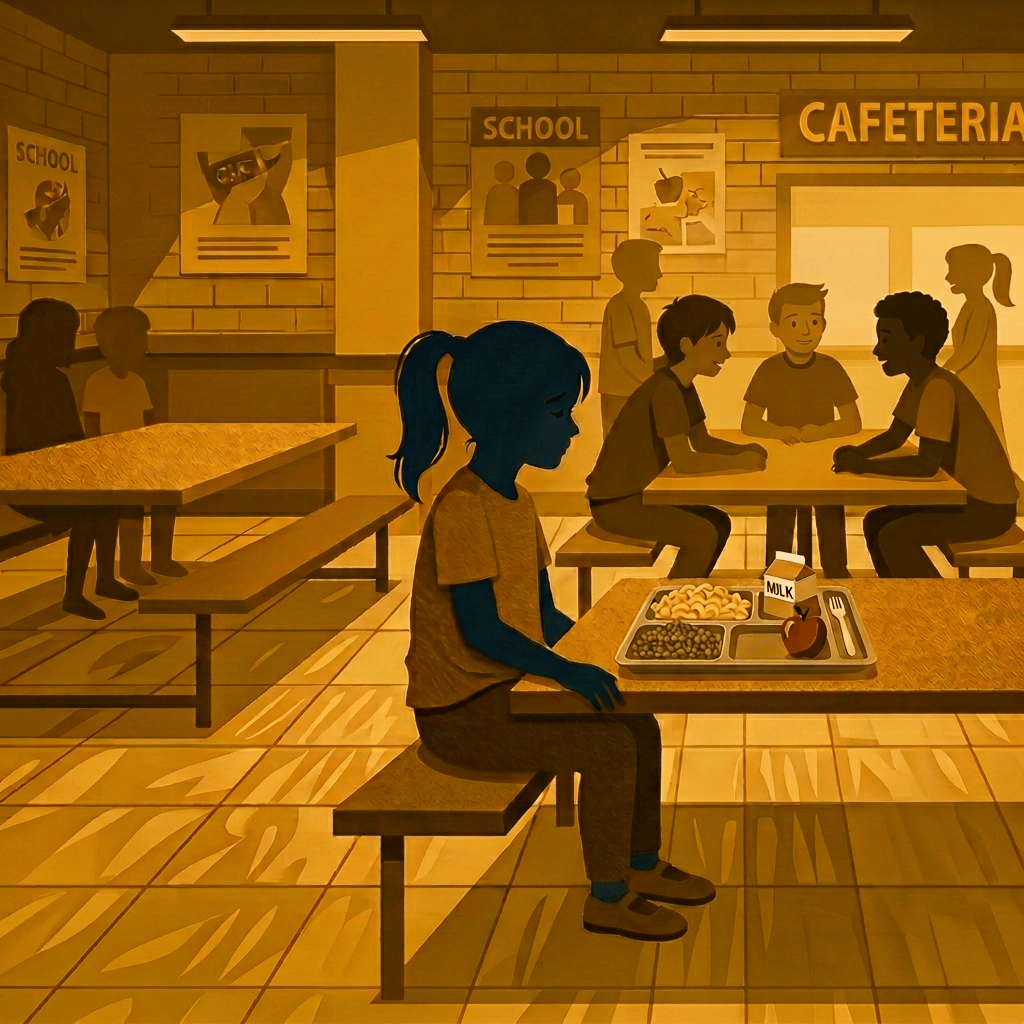
After a few minutes, she no longer hears the angry voices. The quiet continues…so she glances over and sees that the students are now talking in regular voices and eating their lunches. The tension has been resolved. She shifts back into SNS as she begins to unfreeze.
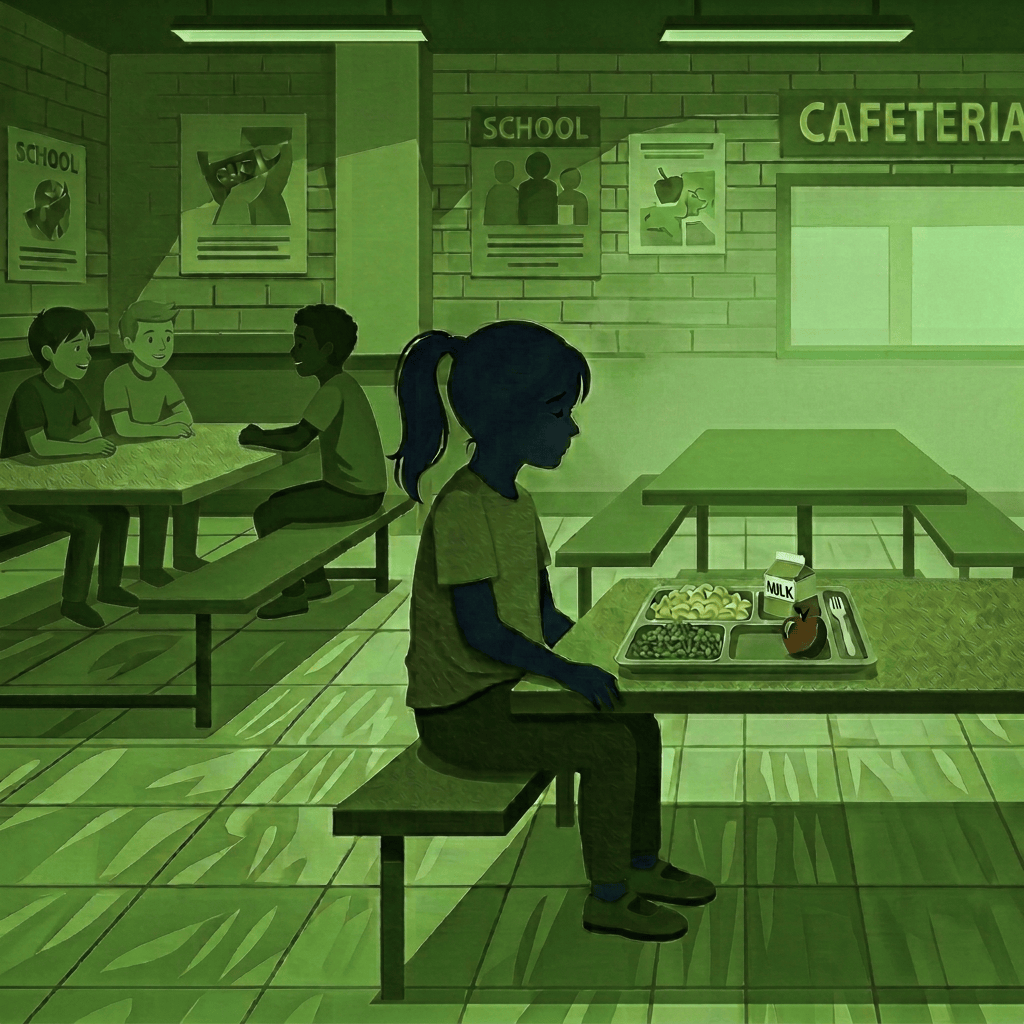
The students who had been fighting stand up and walk out of the cafeteria. She breathes a sigh of relief and stretches her arms and legs a little. She feels safe again and goes on with eating her lunch.
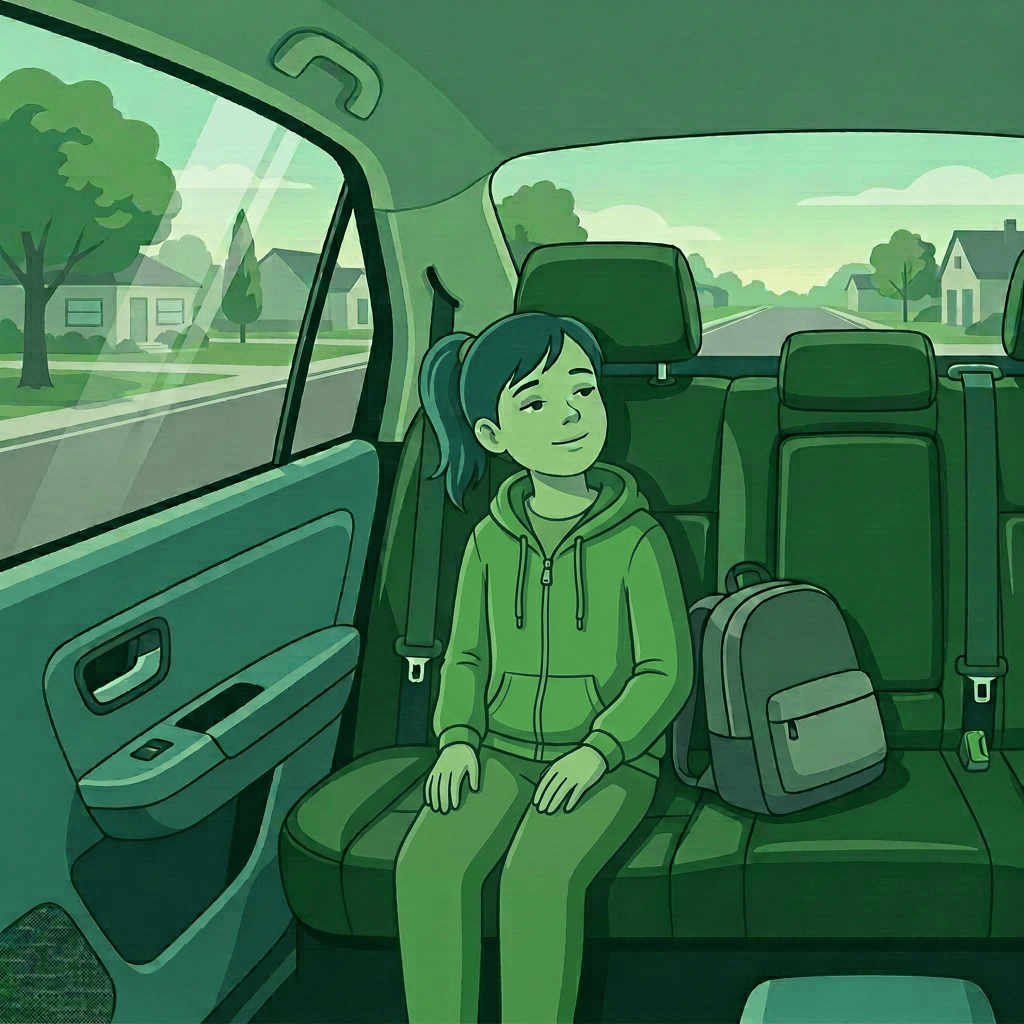
The rest of her classes go well and she is feeling safe on the car ride home. She is thinking through what she will do to relax once she gets to her house.
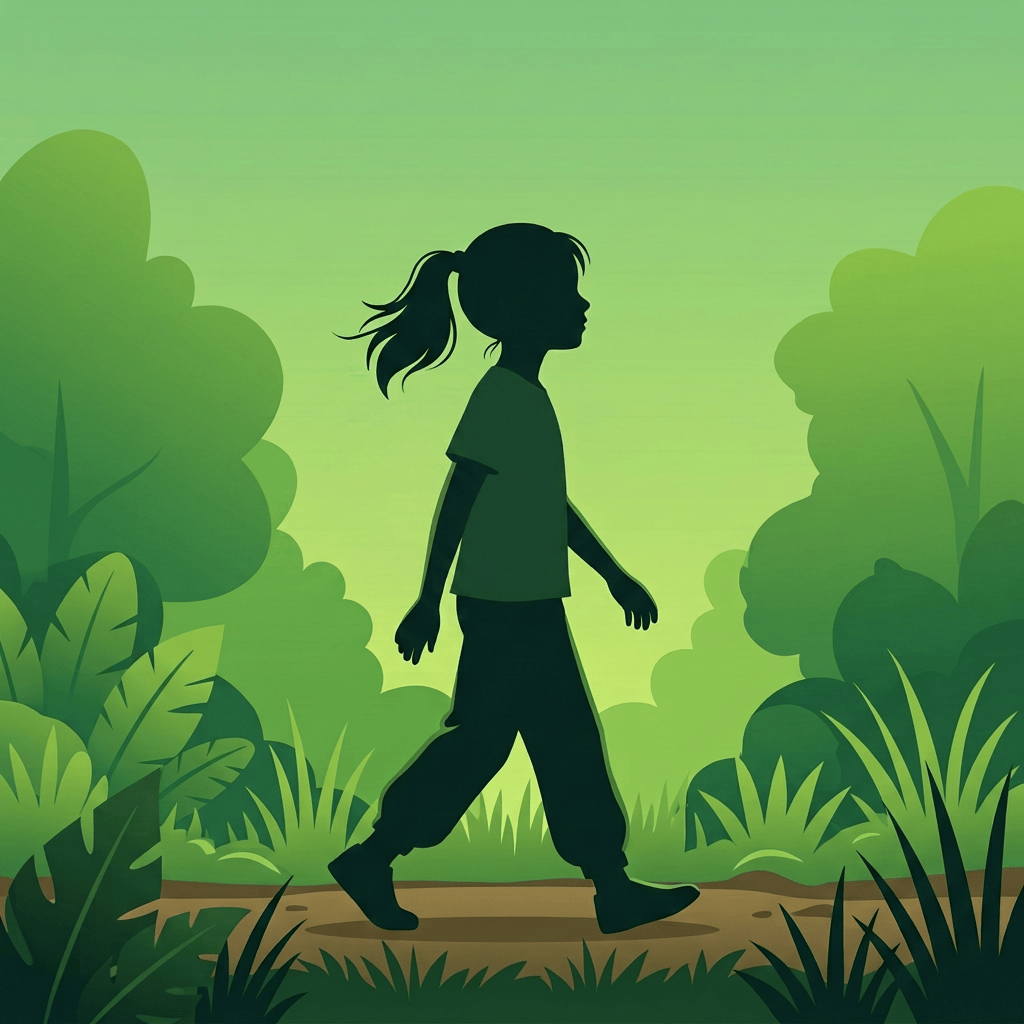
When she gets home, she goes for a nice walk.
It’s such a pretty day…and she might still have some stress energy she needs to release from her day at school…so she goes for a calm jog.

She meditates. (To meditate, she would actually be in a blended state of Ventral Vagal and Dorsal Vagal — Immobilization. I’m still learning about blended states. But she would need to feel safe in order to be able to meditate.)
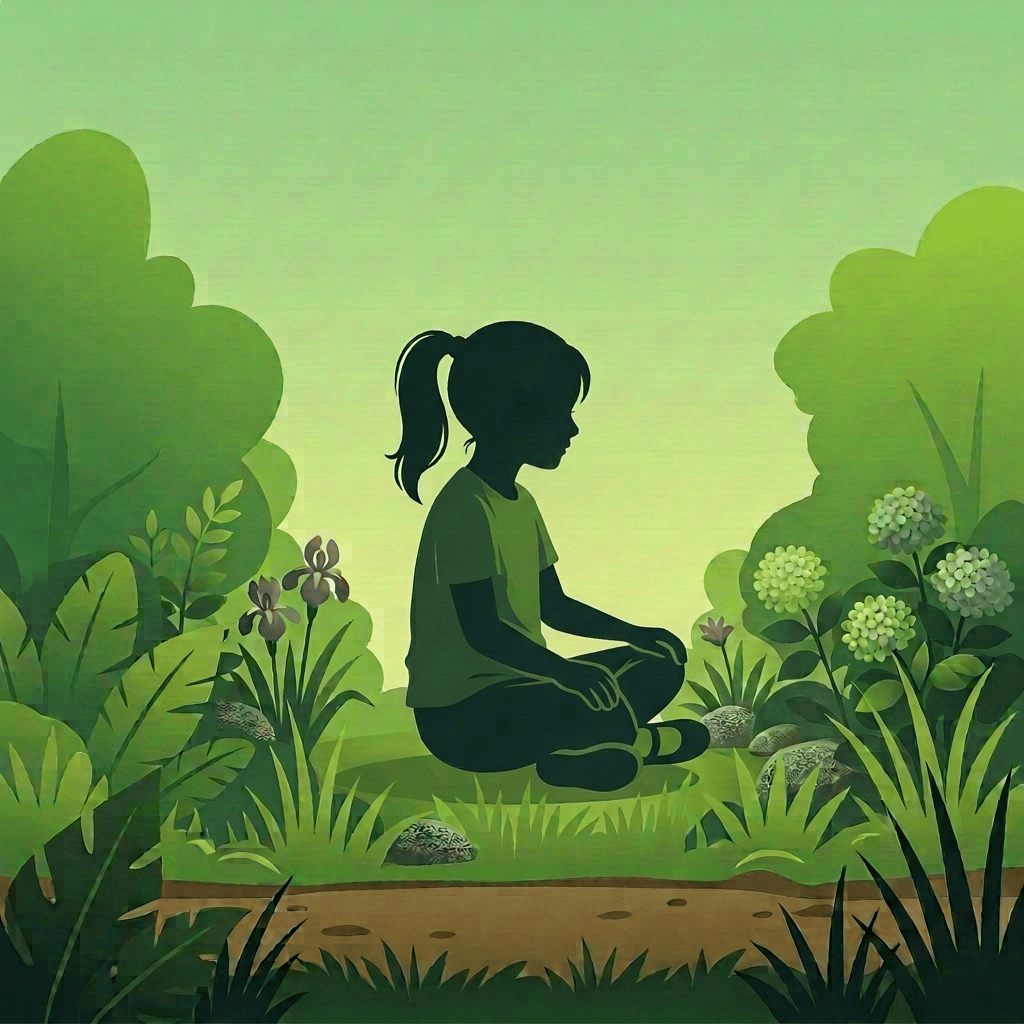
And then she takes time to pray. (To pray, she would also be in a blended state of VV and DV.)

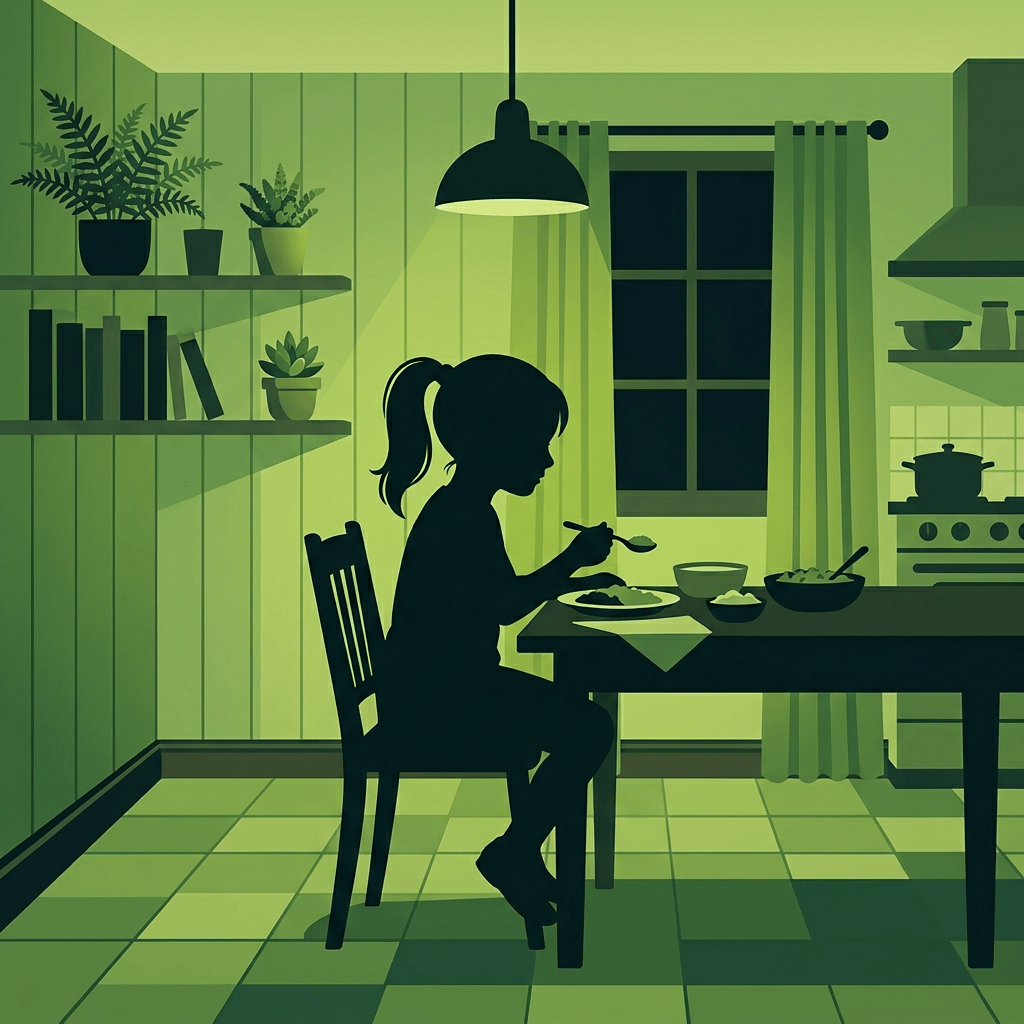
She has a nice dinner.
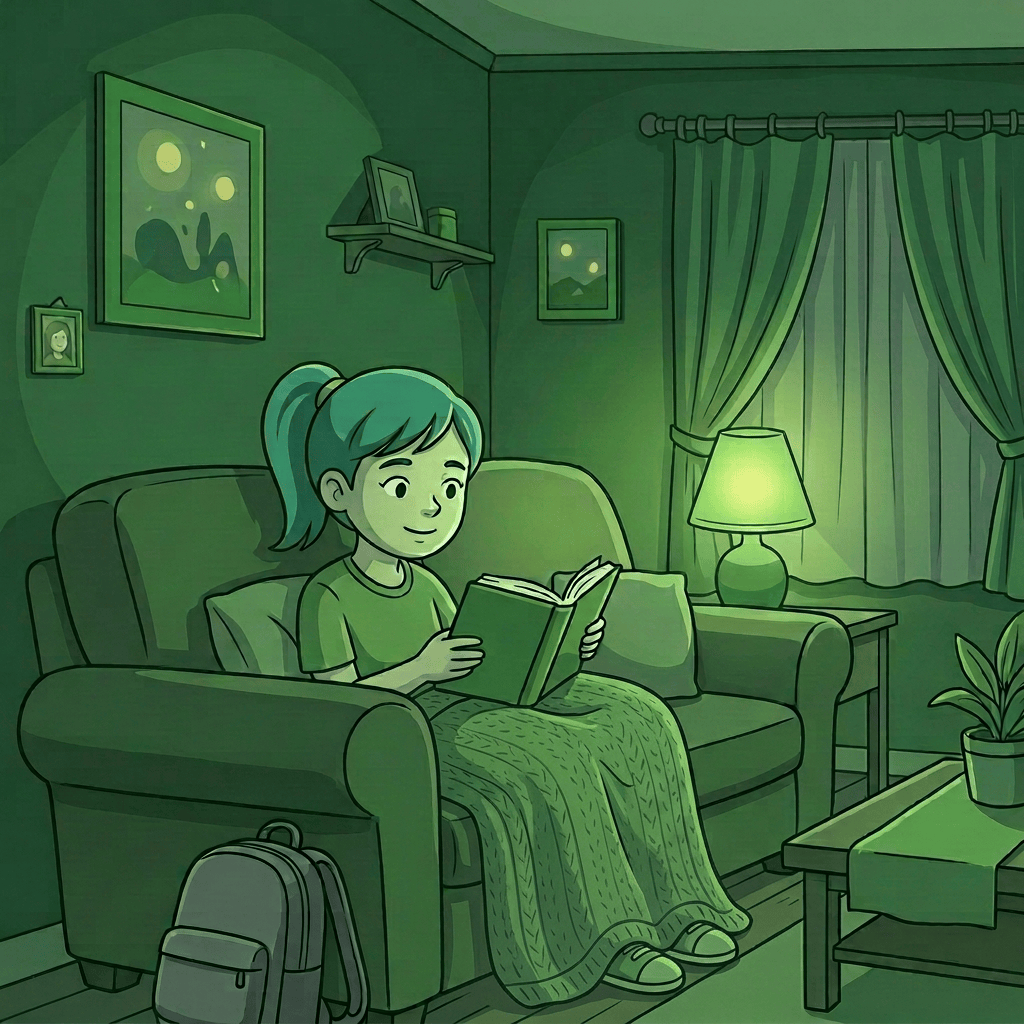
She reads a book before bed to relax. (Blended state: VV and DV)
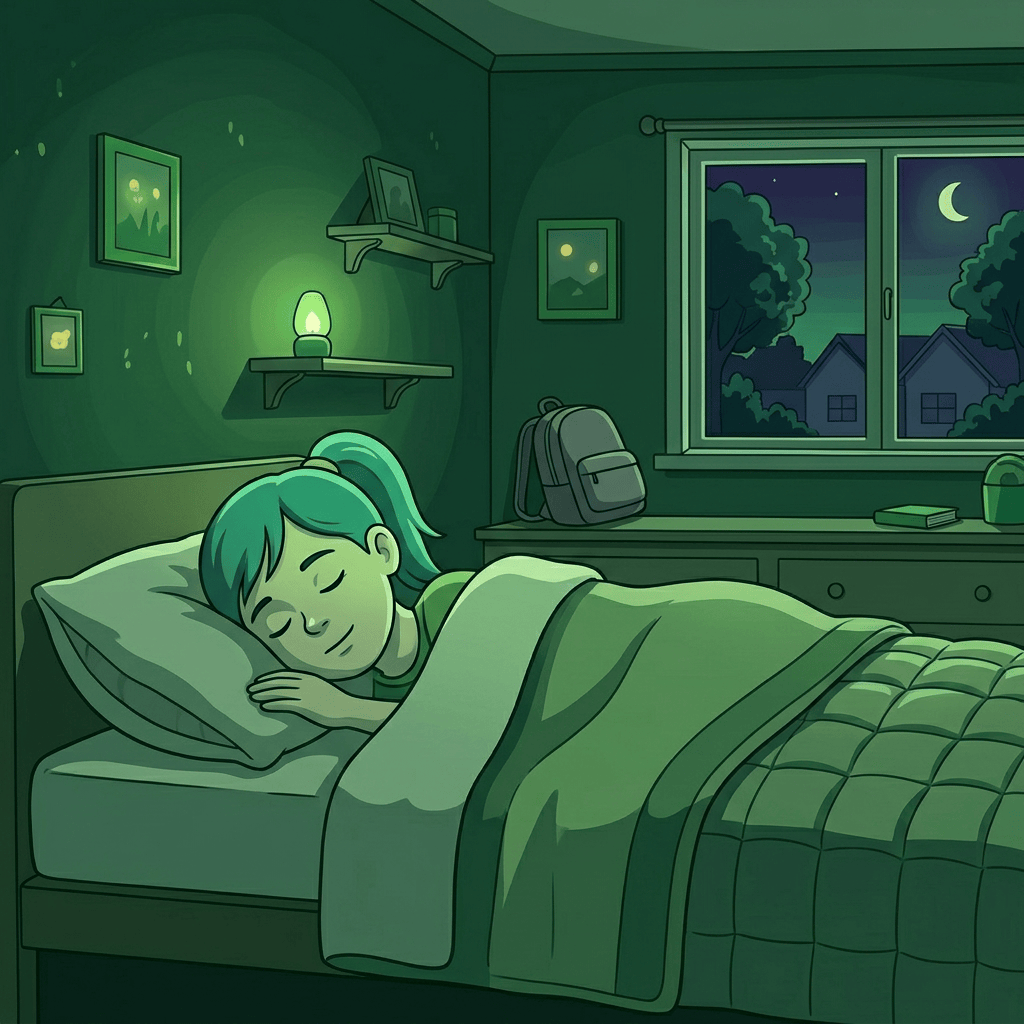
Then she goes to bed feeling safe. (Blended state: VV and DV)
I hope you found these images helpful. You can see that the girl in these images is living on the Squiggle of Life. She is able to shift between states easily and find safety again like in this AI image from my previous post:

Again, what is helpful to me about these images is how it helps me see that our physiological states color our perception of our environment. If you have been stuck on the Squiggle of Trauma for a long time…going between yellow and red…unable to find safety…then this is how intensely your perception of your environment can be affected when you sense a threat. EVERYTHING feels dangerous. EVERYTHING registers as unsafe. I’m going to be writing in future posts about how learning to see cues of safety in our environment can help us deactivate from defensive modes and spend more time in Ventral Vagal.
I will stop here for today. And in my next post I will write more about why a situation like giving a speech in front of the class caused her to change physiological states.


Leave a comment